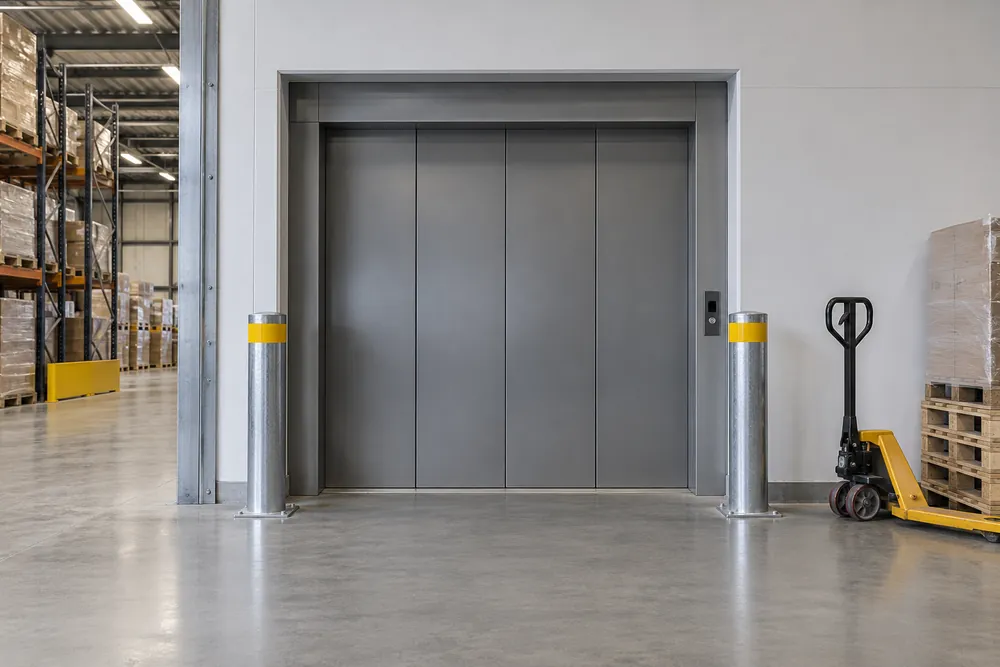
Start With The Load And The Workflow
Goods lift services in Manchester support warehouses, factories, retailers and commercial premises moving materials between levels. The correct specification begins with the actual load. Weight, dimensions, handling equipment and the way materials enter and leave the lift all matter.
Tell us whether the lift handles pallets, wheeled cages, boxes or another defined load. Explain the busiest operating periods and any limits on loading access. We use this information to help shape a service, repair or installation enquiry that reflects the workflow on your site.
Understand Who May Travel
A goods-only lift must not be used to transport people. A goods-passenger installation is a different category and must be designed for the intended travel. A person being able to enter the carrier for loading does not mean they may ride in it.
Check the equipment marking and instructions, then make the operating rules clear to staff. If the intended use is uncertain, stop that activity and obtain competent advice. Do not change the way a lift is used simply because the existing arrangement is inconvenient for deliveries.
Maintenance In An Industrial Setting
The service schedule should consider doors, gates, controls and the relevant drive equipment as well as visible damage associated with loading. Impacts from handling equipment can affect the entrance and threshold. Record damage promptly instead of waiting for the next routine visit.
Dust, packaging debris and the cleaning regime may also affect operation. Keep the accessible loading area tidy within the limits of normal site housekeeping. Do not enter the shaft or remove guards to clean a mechanism, and do not allow loads to obstruct closing doors.
For production sites, a well-kept fault log can reveal whether problems coincide with a particular load or shift pattern. Note the symptoms, landing and time of the event. This provides useful evidence for the engineer without asking employees to diagnose the machine.
LOLER And PUWER Responsibilities
Workplace goods lifts fall within the management of lifting equipment under LOLER and PUWER as applicable. Safe working load markings and use within the equipment's limits are part of that management. Consult the HSE LOLER overview for the regulatory framework.
The required examination arrangement depends on the equipment and use. Arrange a competent person's assessment rather than applying a passenger lift schedule without checking. Our LOLER inspection guide explains examinations, reports and the need to act on defects.
How A Goods Lift Assessment Works
- Define the permitted loads, intended users and the equipment's current role on site.
- Review the identification plate, operating instructions, maintenance history and examination records.
- Assess the fault or planned work, including loading access and any site hazards.
- Agree the work scope, approval arrangements and shutdown requirements.
- Retain the work report and update staff instructions where operating arrangements change.
Where the lift is essential to production, plan an alternative route for materials before work starts. Check that any temporary handling method has been assessed for its own risks. A lift shutdown should not push staff into an unsuitable manual handling workaround.
Repair, Upgrade Or Replace
A damaged door or failed component may be suitable for targeted lift repair. Repeated failures and unsupported parts may call for a wider review. Compare the cost of continued repairs with the disruption and practical benefits of an upgrade or replacement.
For a new lift, measure the load as it will actually travel, including the pallet or cage. Confirm floor loading and handling routes with the relevant building professionals. A lift chosen solely on rated capacity may still be unsuitable if the entrance or approach prevents safe loading.
Our installation page covers surveys and package boundaries. Ask whether the proposed system needs changes to floors, openings, electrical supplies or surrounding protection. Those items should be identified before the quotation becomes the basis for a project programme.
Cost And Shutdown Planning
Goods lift cost depends on the carrier size, rated load, travel, door arrangement and condition. Parts availability, access and specialist testing can influence repair proposals. A quotation should identify the equipment, scope and any assumptions about loading operations during the work.
Tell us about shift patterns, vehicle movements and induction requirements. Confirm who can clear the area, authorise isolation and approve additional repairs. Share your location through our commercial enquiry form and check the areas covered for nearby districts.
For planned maintenance, agree how the provider will record wear and recommendations. Separate immediately required work from items proposed for a future shutdown. This gives the responsible manager a usable list for budgeting and avoids treating every observation as either urgent or optional without explanation.
Goods Lifts FAQs
Can Staff Ride In A Goods Lift?
Staff must not ride in a goods-only lift. A lift designed to carry goods and people has different requirements, and permission to enter for loading does not permit travel. Check the marking and instructions for your installation and seek competent advice if the permitted use is unclear to the site team.
What Information Helps With A Goods Lift Quote?
A goods lift quote needs the load type, weight, dimensions and number of levels served. Include the handling equipment and explain whether the enquiry concerns maintenance, a fault or a new installation. Available manuals, photographs from a safe position and examination reports help the provider identify the installation and scope the next step.